

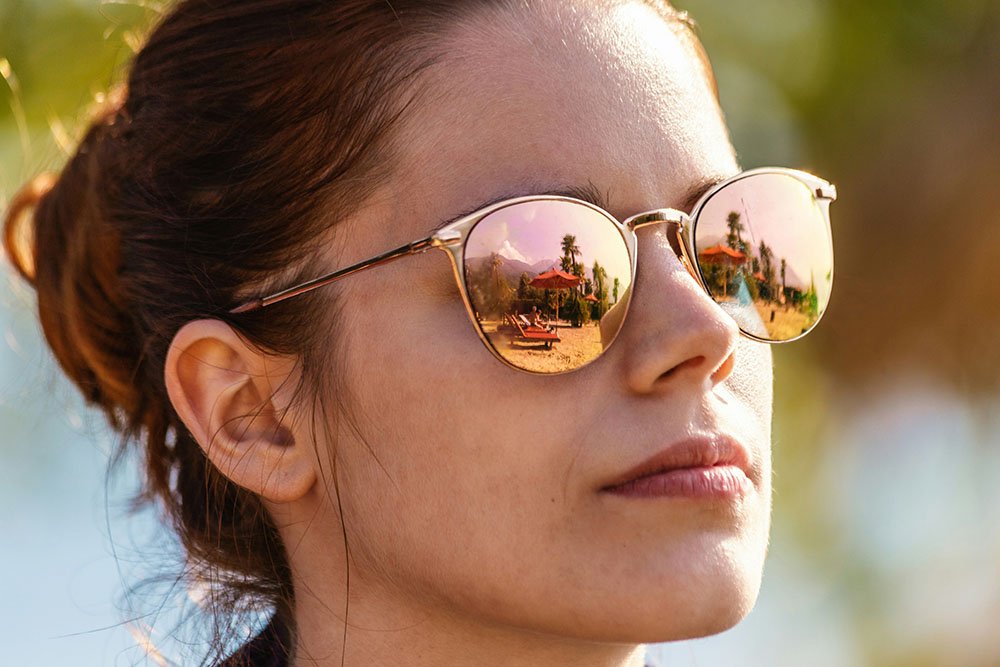
Polarized sunglasses are more than just a fashion statement. They offer significant benefits for eye protection and visual clarity.
These specialized lenses reduce glare from surfaces like water and roads. This makes them ideal for outdoor activities and driving.
Understanding what polarized sunglasses are can help you make informed choices. They are a specific type of eye protection glasses designed for enhanced performance.
In this guide, we will explore the benefits of polarized sunglasses. We’ll also compare them to other sunglasses types and discuss their importance.
Whether you’re an outdoor enthusiast or just looking for better eye protection, this article is for you.
What Are Polarized Sunglasses?
Polarized sunglasses are more than just tinted lenses. They incorporate special technology that reduces glare significantly.
These sunglasses are equipped with a chemical filter that blocks horizontal light waves. This feature minimizes the glare from reflective surfaces.
Reflective surfaces such as water, snow, and glass often cause uncomfortable brightness. Polarized lenses address this issue effectively.
Key Features of Polarized Sunglasses:
- Glare Reduction: Significantly cuts down on glare.
- UV Protection: Safeguards eyes against harmful UV rays.
- Enhanced Clarity: Improves contrast and visibility.
- Fashionable Designs: Available in various styles and colors
By adding polarization, these sunglasses enhance visibility and eye comfort. They make outdoor adventures more enjoyable by reducing eye strain.
Polarized sunglasses are suitable for both prescription and non-prescription users. This allows everyone to experience their beneficial effects regardless of vision needs.
How Do Polarized Sunglasses Work?
Polarized sunglasses operate through a simple but effective technology. They use a special filter embedded in the lenses. This filter reduces glare by blocking horizontal light waves.
Glare often arises when the sun’s rays hit flat surfaces. These flat surfaces include lakes, roads, and car hoods. The horizontal light waves scatter in various directions and cause glare. Polarized lenses selectively block these waves while allowing vertical light to pass.

How Polarized Lenses Work:
- Filtering Horizontal Light: Blocks glare-inducing horizontal waves.
- Enhancing Vertical Light: Allows vertical waves through for clearer vision.
- Improving Contrast: Offers a sharper visual experience.
This lens technology not only makes outdoor scenery clearer but also enhances colors. With reduced glare, colors appear more vivid and true to life. It’s especially beneficial for bright environments like beaches or snowy fields.
This improvement in vision, especially during outdoor activities, is why many choose polarized lenses. The technology effortlessly balances aesthetics with function, providing a more comfortable viewing experience.
Benefits of Polarized Sunglasses
Polarized sunglasses offer a myriad of advantages that extend beyond the average pair of sunglasses. They are specially engineered to elevate your visual experience. Many people find them indispensable for both protection and clarity.
A key benefit is glare reduction. Glare can be not only annoying but also harmful over time. By minimizing glare, these sunglasses make many activities less taxing on your eyes. You’ll appreciate them when driving, fishing, or partaking in any outdoor pursuits. It means you’ll experience much less eye strain and fatigue.
Moreover, polarized sunglasses enhance visual clarity and contrast, providing a sharper image. Everything appears crisper in bright conditions. For some, this feature is a game-changer in challenging environments like snowy terrains or water sports.
- Glare Reduction: Minimize disruptive reflections.
- Enhanced Clarity: Improve vision sharpness.
- UV Protection: Block harmful sun rays.
- Eye Comfort: Reduce strain and fatigue.
Not every situation is right for polarized lenses, but their advantages cover a broad range of needs. They offer UV protection, essential for preventing long-term damage to your eyes. Protecting your eyes from UV rays should never be underestimated.
The combination of style and function makes them a popular choice. These sunglasses are available in various styles, appealing to both function-focused individuals and fashion-conscious consumers alike.
Polarized Sunglasses vs. Other Sunglasses Types
Polarized sunglasses stand out from other sunglasses types due to their specialized lens technology. Not all sunglasses are created equal, and polarization offers distinct benefits. While both polarized and non-polarized lenses can provide UV protection, only polarized lenses effectively reduce glare.
Non-polarized sunglasses can often fall short in bright environments. They darken everything but do not address glare. In contrast, polarized lenses enhance clarity and provide visual comfort in harsh light conditions.
When considering different sunglasses types, it’s essential to assess your needs. If you spend a lot of time outdoors, especially around water or snow, polarized sunglasses are ideal. However, if you’re primarily concerned with style and basic UV protection, non-polarized sunglasses may suffice.
Type | Features | Use Case |
Standard Polarized Lenses | Basic polarized lenses that reduce glare and improve visibility | General outdoor activities, driving, fishing |
Custom Polarized Lenses | Combine polarized lenses with corrective lenses for individuals with low vision | People with low vision who require both glare reduction and vision correction |
High-Definition Polarized Lenses | Offer enhanced clarity and color definition | Activities requiring sharp vision, such as sports or photography |
Distinct Features of Polarized Sunglasses:
- Glare Reduction: Unique to polarized lenses.
- Enhanced Clarity: Better visual experience.
- UV Protection: Present in both types.
Ultimately, the choice depends on personal needs and lifestyle. It’s worth considering the environment where you’ll frequently use them.

When and Where to Use Polarized Sunglasses
Polarized sunglasses are versatile and suitable for numerous outdoor scenarios. They shine in environments where glare is prevalent, offering protection and comfort.
Water-related activities benefit greatly from polarized lenses. Fishing, boating, or kayaking become more enjoyable with reduced glare. On snowy terrains, like ski slopes, they enhance visual clarity and safety.
Urban settings present challenges due to reflective surfaces, and driving is safer with polarized sunglasses by reducing road glare. Enjoy scenic road trips without the discomfort of bright reflections.
Ideal Uses for Polarized Sunglasses:
- Water Activities: Fishing, boating
- Snowy Terrains: Skiing, snowboarding
- Driving: Reduces glare from roads and cars
Always consider the environment and activity before selecting your sunglasses. Polarized lenses are a practical choice for reducing eye strain in bright conditions.
- UV Protection: Ensure that the sunglasses provide adequate UV protection (typically labeled as UV400) to shield your eyes from harmful rays
- Lens Material: Lenses made from materials like polycarbonate or Trivex offer durability and impact resistance.
- Frame Style: Choose a frame style that fits comfortably and suits your face shape and activity needs.
How to Tell if Sunglasses Are Polarized
Determining if sunglasses are polarized is simple and can be done with a quick test. You don’t need specialized equipment to do it. Just follow some straightforward steps.
One method involves looking at a reflective surface, like a glass table or water. Slowly rotate the sunglasses while viewing the surface. If the glare diminishes and intensifies as you rotate, the lenses are polarized.
Steps to Identify Polarized Lenses:
- Find a reflective surface.
- Look through the lenses at the surface.
- Rotate the sunglasses slightly.
Choosing the Right Polarized Sunglasses
Choosing the right polarized sunglasses requires considering personal needs and lifestyle. Different activities call for specific features. Prioritize aspects like lens tint, frame style, and lens size.
Consider the environments where you’ll use them most. For outdoor sports, opt for durable frames and tints that improve contrast. Fashion-conscious buyers might prefer stylish frames without compromising on protection.
- Determine primary use: sports, driving, casual wear.
- Consider lens tint for visual needs.
- Choose durable frames for active use
Test different options to ensure comfort and effectiveness. It’s wise to try on several pairs before making a choice.
Care and Maintenance Tips
Taking care of your polarized sunglasses ensures their longevity and effectiveness. Regular cleaning is essential for maintaining clarity and protection. Use a microfiber cloth to gently wipe away dust and smudges.
Store your sunglasses in a protective case when not in use to prevent scratches. Avoid exposing them to extreme temperatures, which can warp the frames or damage the lenses.
Frequently Asked Questions
Many people wonder if polarized sunglasses offer full UV protection. The answer is yes, but always check the label to ensure 100% UV protection.
Another common query is whether polarized sunglasses are suitable for driving at night. They’re not recommended, as they can reduce visibility in low-light conditions.
People also ask about prescription options. Luckily, polarized lenses are available with prescriptions, combining vision correction with glare reduction.
Common Questions:
- Do polarized sunglasses block UV rays?
- Are they good for night driving?
- Can they be made with a prescription?
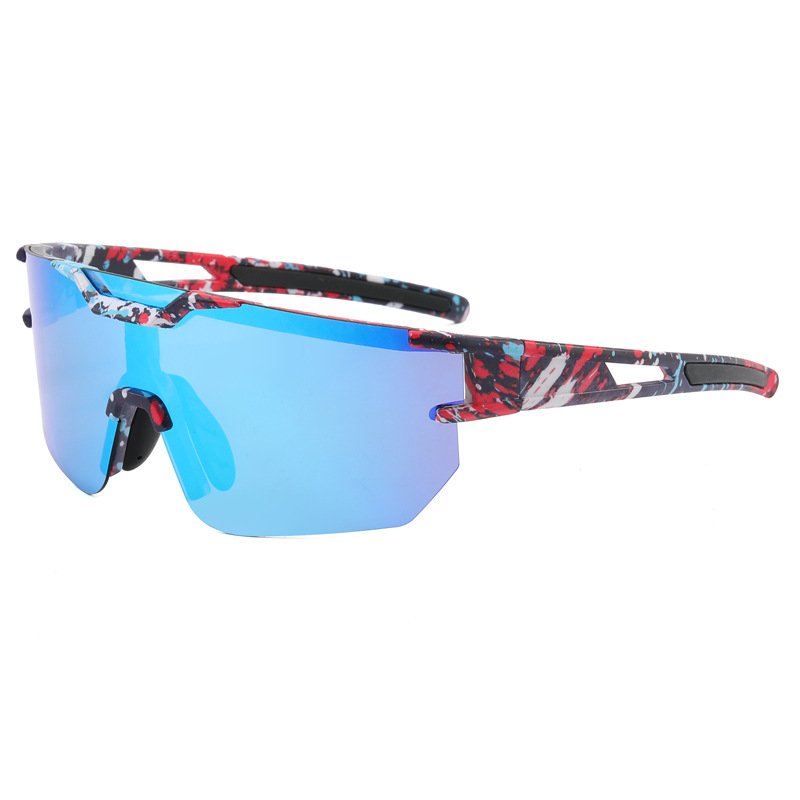
Are Polarized Sunglasses Worth It?
Polarized sunglasses offer significant benefits, especially for outdoor enthusiasts and drivers. They provide glare reduction and clear vision in bright conditions. By enhancing visual comfort, they make outdoor activities more enjoyable and safe.
Despite a few limitations, like difficulty with LCD screens, the advantages outweigh the drawbacks for most users. Choosing high-quality polarized lenses ensures both effectiveness and longevity.
Investing in polarized sunglasses can be a wise choice for anyone looking to protect their eyes and enhance visual experiences. Prioritize quality and UV protection when selecting the right pair.