

The Ultimate Guide to CE Sunglasses
Sunglasses are more than just a fashion accessory. They are essential for protecting your eyes from harmful UV rays.
CE sunglasses stand out for their safety and quality. They meet strict European standards for eye protection.
The CE mark on sunglasses is a symbol of compliance. It ensures the product meets health, safety, and environmental protection standards.
Choosing the right pair of sunglasses can be overwhelming. With so many options, knowing what to look for is key.
This guide will help you navigate the world of CE sunglasses. From understanding certifications to choosing the right style, we’ve got you covered.
What Are CE Sunglasses?
CE sunglasses are specially certified eyewear, assuring you of high-standard protection. The CE mark signifies compliance with European safety regulations, ensuring optimal eye safety.
These sunglasses undergo rigorous testing to meet specific criteria. This process ensures they provide adequate protection against harmful UV rays. This is essential for preventing potential eye damage caused by sun exposure.
The benefits of CE sunglasses are numerous. They are not just about shielding your eyes from the sun. CE sunglasses are integral for maintaining eye health and preventing long-term conditions.
Here are key features of CE sunglasses:
- Certified UV protection
- Tested for optical clarity and durability
- Assurance of high safety standards
While they offer protection, they are also available in various fashionable designs. From sporty to elegant styles, CE sunglasses cater to diverse preferences. This combination of safety and style makes them a popular choice.

Understanding the CE Mark: What Does It Mean?
The CE mark is a crucial safety indicator in the European Economic Area (EEA). It symbolizes conformity with relevant health, safety, and environmental protection standards. Products like sunglasses carry this mark to confirm their compliance with European Union (EU) regulations.
For consumers, the CE mark offers peace of mind. It assures that the sunglasses have undergone comprehensive testing. This involves assessments for UV protection, lens quality, and durability. Such tests ensure that the eyewear is both safe and reliable.
The CE mark is not just a regulatory requirement. It also represents a commitment to maintaining high quality in the eyewear industry. Brands using this certification demonstrate dedication to consumer safety and product excellence.
Key details about the CE mark include:
- Recognition throughout the EEA
- Required for legal sale in the EU
- A symbol of rigorous testing and compliance
In essence, the CE mark is more than a label. It is a promise to consumers, guaranteeing that the sunglasses they choose will protect and perform as expected.
Why CE Certification Matters for Sunglasses
CE certification is crucial for protecting eye health. It ensures that sunglasses meet rigorous EU standards for safety and performance. Without proper protection, exposure to harmful UV rays can lead to serious eye conditions.
This certification covers various aspects of sunglasses, from lens quality to frame durability. It guarantees that the product is designed to shield your eyes from both UVA and UVB rays. Additionally, certified sunglasses undergo testing for optical clarity and impact resistance.
Key benefits of CE certification include:
- Reliable UV protection
- Compliance with safety regulations
- Assurance of optical quality
Certified sunglasses can prevent eye strain and reduce the risk of cataracts. For outdoor enthusiasts, having CE-certified sunglasses means enjoying the sun without worry. In essence, CE certification is synonymous with trust. It offers peace of mind, knowing that your eyes are well-protected under the sun’s harsh rays.
How CE Sunglasses Protect Your Eyes
CE sunglasses offer essential protection against harmful UV rays. These rays can cause eye damage over time, including cataracts and macular degeneration. By blocking UVA and UVB rays, CE sunglasses help keep eyes healthy.
One key feature of CE sunglasses is their lens quality. The lenses are designed to filter out UV light efficiently. This ensures that your eyes receive maximum protection from harmful exposure.
Additionally, CE sunglasses often include polarized lenses. Polarization reduces glare, which is particularly beneficial for activities like driving or water sports. Clear vision in bright conditions is crucial for both safety and comfort.
Beyond UV protection, CE sunglasses also enhance visual comfort. High-quality lenses minimize color distortion and maintain natural vision. This feature is especially useful for prolonged wear in sunny environments.
Key protective features of CE sunglasses include:
- Effective UVA/UVB filtering
- Glare reduction with polarized lenses
- Optical clarity for natural vision
CE sunglasses are an investment in eye health. Choosing a pair with CE certification means prioritizing safety and enjoying clarity in the sun.
The CE Certification Process: How Sunglasses Are Tested
The CE certification process ensures sunglasses meet strict safety standards. Each pair undergoes rigorous testing to guarantee quality and protection. This process verifies that sunglasses are both durable and effective.
First, the lenses are tested for UV protection. They must block 100% of UVA and UVB rays. This requirement is non-negotiable and essential for the CE mark.
Next, the sunglasses are checked for lens clarity and distortion. Optical clarity ensures that vision through the lenses remains accurate and unaltered. Reducing color distortion is critical for safe and comfortable wear.
Finally, frame materials undergo impact resistance testing. Frames should withstand daily wear and occasional impacts without breaking or bending easily. This ensures long-lasting durability for active lifestyles.
UV Protection
Testing content: Measure the lens’s ability to block ultraviolet radiation, mainly UVA (315-380 nm) and UVB (280-315 nm).
Key indicators:
UV380: The lens blocks at least UV radiation with wavelengths less than 380 nm.
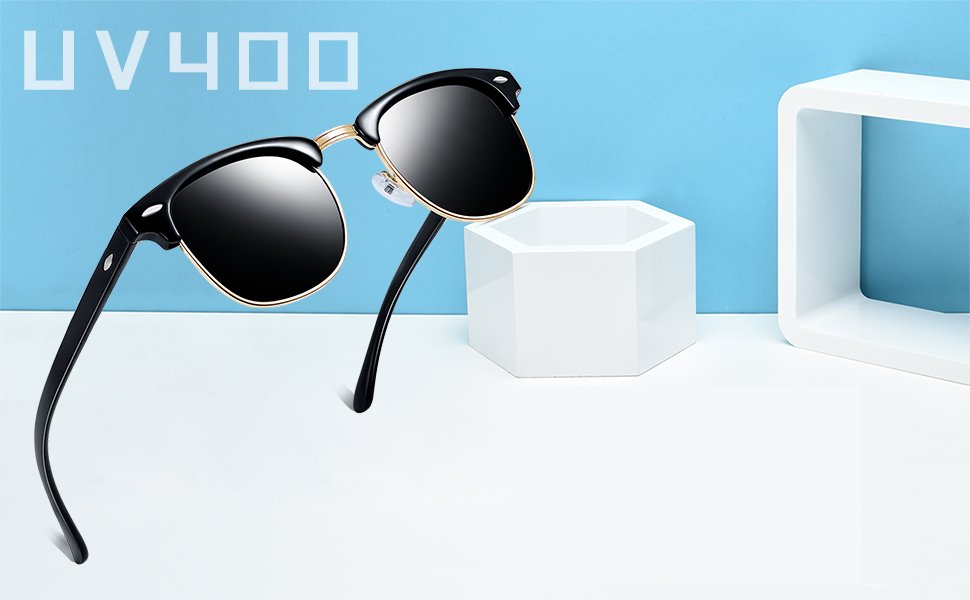
UV400: The lens blocks at least UV radiation with wavelengths less than 400 nm (higher standard, covering more comprehensive UV spectrum).
Transmission ratio requirement: The average transmission ratio of the lens in the UV band (280 nm – 380 nm) should not exceed the specified value (usually ≤5%, even lower such as ≤1%).
Importance: This is the most basic and important protective function of sunglasses, preventing UV radiation from causing damage to the cornea, lens, and retina (such as cataracts, pterygium, macular degeneration, etc.).
Labeling: Qualified sunglasses should clearly indicate their UV protection level (e.g., ‘UV400’, ‘100% UV Protection’).
Spectral Transmission & Category
Depending upon their luminous transmittance at their reference point, sunglass filters for general use shall be attributed to one of five filter categories. Unless the filter is one of the following, category 0 shall not be claimed:
— a filter for which specific protection against any part of the solar spectrum is claimed;
— a photochromic filter in its faded state. The range of the luminous transmittance of these five categories is given by the values in Table 1. An overlap of the transmittance values shall be not more than ± 2 % (absolute) between the categories 0, 1, 2 and 3. There is no overlap in transmittance values between categories 3 and 4. The maximum deviation for declared luminous transmittance value shall be ± 3 % absolute for the transmittance values falling in categories 0 to 3 and ± 30 % relative to the stated value for the transmittance values falling in category 4.
When describing the transmittance properties of photochromic filters, two categories for transmittance values are generally used. These two values correspond to the faded state and to the darkened state of the filter.
In the case of gradient filters, the transmittance value at the reference point shall be used to characterize the luminous transmittance and the category of the filter.
For gradient filters, the overlap in luminous transmittance allowed between categories shall be double that for uniformly tinted filters.
Transparency level | Transmission ratio range | lens color | core features | uses |
Category 0 | 80%-100% | the shallowest | weak light filtration | Fashion mirrors may have extremely weak sun protection effects. |
Category 1 (light-colored sunglasses) | 43%~80% | shallow | Optimal translucency, weak light filtration | Suitable for daily commuting and transitions between indoor and outdoor environments, especially in low-light conditions. |
Category 2 (sunglasses) | 18%~43% | medium | Balancing light transmission and shading, ensuring both clarity and sun protection. | Overcast weather, cloudy weather, or general outdoor activities |
Category 3 (regular sunglasses) | 8%~18% | deeper | Effectively filters strong light, with outstanding sun protection performance. | Sunny days, beaches, driving, and other environments with strong light (mainstream choice) |
Resistance to Impact
Testing content: Assessing the lens’s ability to resist shattering when impacted by high-speed small objects, such as splashing gravel. A common test involves dropping a steel ball from a specific height onto the lens.
Key indicators: The lens should not shatter, penetrate, or produce sharp-edged fragments if it does shatter.
Importance: This directly affects the wearer’s risk of eye injury from flying debris during unexpected situations like sports or falls. Polycarbonate material typically has good impact resistance.
Nickel Release
Testing content: Test the nickel content released from metal frames (especially parts that come into direct contact with the skin such as temples and nose pads) in a simulated sweat environment.
Key indicators: The release amount must be below international standard limits (e.g., EN 16128: weekly release ≤ 0.5 µg/cm²).
Importance: Prevent allergic reactions such as contact dermatitis, skin itching, and redness in people sensitive to nickel when wearing them.
Mechanical Strength & Durability
Hinge durability: Repeatedly open and close the temple tips to simulate daily use, checking for any looseness or breakage in the hinges.
Temple flexibility: Test the temple tips’ flexibility and ability to return to their original shape when bent inward or outward, ensuring comfort and resistance to deformation or breaking.
Lens holding force: Ensure that the lenses are securely held within the frames, preventing them from falling out. Importance: Ensuring the product’s longevity, durability, and reliable wearability.
How to Identify Genuine CE Sunglasses
Identifying genuine CE sunglasses is crucial for ensuring quality and safety. Look for the CE mark on the sunglasses, usually printed on the inside of the arm. This mark confirms compliance with European safety regulations.
Be cautious of counterfeit products that mimic the CE logo. Genuine CE sunglasses are verified through specific testing standards. Authenticity is essential for proper UV protection and safety.
It’s also wise to purchase from reputable brands or stores. Well-known retailers are more likely to sell genuine, certified products. If an offer seems too good to be true, it might be.
To verify the authenticity, consider the following tips:
- Inspect for a clear CE mark
- Buy from trusted sellers
- Avoid overly cheap deals
These steps help ensure you choose genuine CE sunglasses, safeguarding your eyes from potential harm.

Choosing the Right CE Sunglasses for Your Needs
Selecting the perfect pair of CE sunglasses involves understanding your specific needs. Different activities and environments require different levels of protection and features.
First, consider the primary use for the sunglasses. Are they for everyday use, sports, or driving? Each scenario might demand specific characteristics like enhanced UV protection or polarization.
Look for lenses that offer protection against both UVA and UVB rays. This ensures comprehensive safety from harmful radiation, reducing the risk of long-term eye damage.
It’s also important to think about comfort and fit. Sunglasses should sit comfortably on your nose and ears without causing pressure. Adjustable nose pads and secure grips help maintain comfort during extended wear.
Here’s a quick guide to help you choose:
- Daily Use: Lightweight with full UV protection
- Sports: Impact-resistant lenses with a secure fit
- Driving: Polarized lenses to reduce glare
- Outdoor Activities: Durable frames and scratch-resistant lenses
Finding the right sunglasses enhances both style and safety. This balance is vital for daily wear and specific activities.
Different Activities: Sports, Driving, and More
CE sunglasses are versatile, catering to a variety of activities. The right pair can significantly enhance both performance and protection.
For sports, sunglasses with impact-resistant lenses are essential. They should withstand sudden movements and potential collisions without breaking. Secure fit is crucial to prevent them from falling during vigorous activities.
Driving requires sunglasses with excellent glare reduction. Polarized lenses are ideal as they minimize reflections from roads and other vehicles. This improves visibility and reduces eye strain during long drives.
Outdoor adventures call for durable and scratch-resistant frames. Prolonged exposure to sunlight demands lenses offering full UV protection.
Here’s a brief overview for different activities:
- Cycling: Lightweight with anti-fog lenses
- Fishing: Polarized to cut water glare
- Hiking: Durable and weather-resistant
Selecting CE sunglasses tailored to specific activities enhances both performance and safety.
CE Sunglasses and Fashion: Style Meets Safety
CE sunglasses offer more than just protection. They’re a fashion statement that seamlessly combines style with safety.
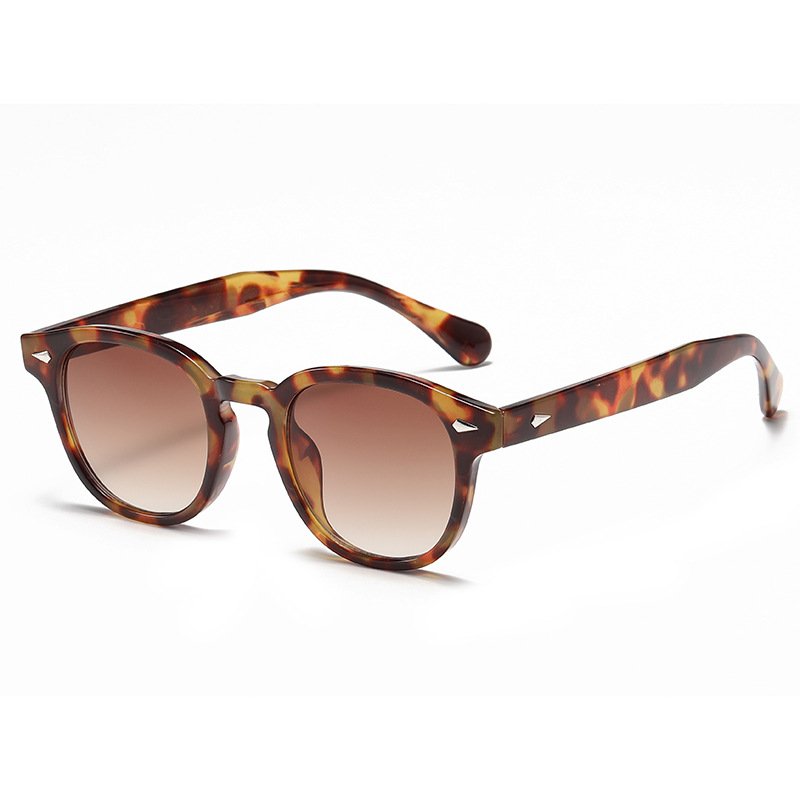
Trendy designs don’t compromise on eye care. Many CE brands offer chic options that meet high safety standards. Fashion and function go hand in hand, providing a wide range of attractive styles.
Here’s a look at some popular styles:
- Aviators: Classic and timeless.
- Wraparounds: Sporty with full coverage.
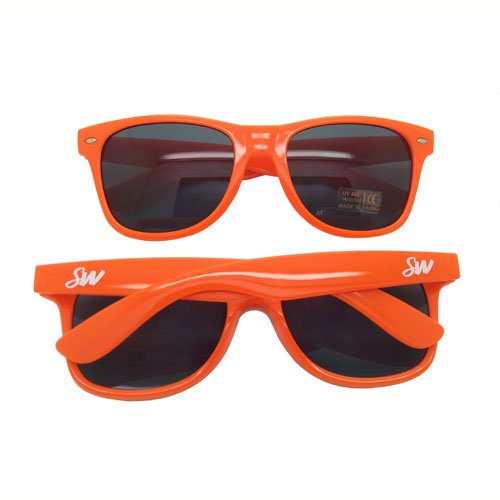
- Wayfarers: Retro and versatile.
These designs ensure you don’t have to choose between looking good and staying protected. With CE sunglasses, style truly meets safety.
Frequently Asked Questions
Many people have questions when it comes to purchasing CE sunglasses. Understanding these essentials can guide you in making informed decisions.
One common question is about UV protection standards. CE sunglasses are required to protect against harmful UVA and UVB rays. This certification ensures your eyes remain safe even in bright conditions.
Here are more frequent questions:
- Do all sunglasses have the CE mark?
- Not all do; always check before buying.
- Can CE sunglasses be fashionable?
- Yes, with many styles available.
- Are CE sunglasses affordable?
- They come in various price points.
These insights help you choose sunglasses that meet both your style and safety needs.